
1. Introduction
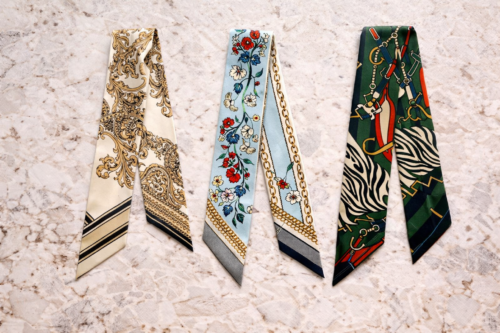
Una bandana is a square or triangular piece of cloth—often featuring the iconic paisley pattern—traditionally used for protection or fashion, and now a timeless symbol of culture and identity.
This guide will help you understand what a bandana is, trace its rich history, explore its meanings, and learn how to wear a bandana in seven practical ways.

2. The Bandana’s Real Identity
2.1 Definition & Origins: More Than a “Printed Handkerchief”
On the surface, a bandana is simply a square or triangle of printed fabric. But its name and origins reveal deeper roots.
The term “bandana” is thought to derive from the Sanskrit word badhnati (बध्नाति) meaning “to bind” or “to tie” — via Portuguese bandannoe into English in the 18th century. Heddels+1
Originally, bandanas were used in South Asia and the Middle East, then introduced into Europe and America as both utilitarian and decorative cloths. 史密森杂志+1
2.2 The Iconic Pattern: The Persian Origins of Paisley
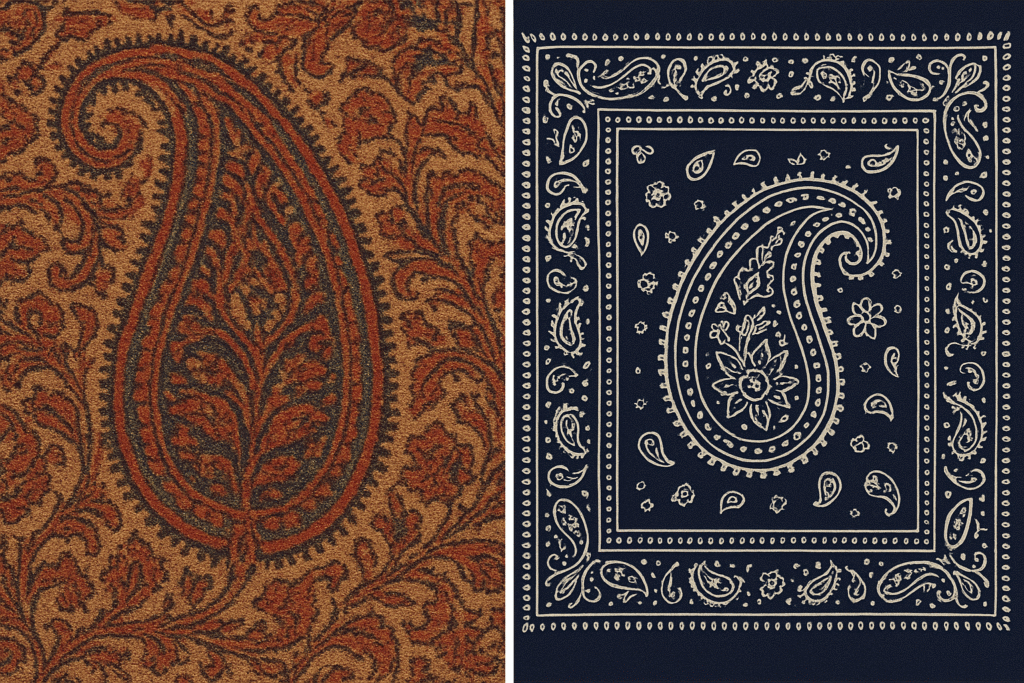
When you picture a bandana, you likely see the teardrop-shaped motif known as the paisley pattern. But this design actually originates from Persia and Kashmir, not Scotland.
The motif is known in Persian as boteh, symbolizing life, fertility and eternity, and dates back over 2,000 years. Heddels+1
In the 18th and 19th centuries, European textile manufacturers in the Scottish town of Paisley, Renfrewshire began producing shawls and fabrics with this motif, and thus the design adopted the name “paisley” in the West. 维基百科+1
3. The Evolution of the Bandana
The true power of the bandana lies in its versatility—not just in utility, but as a cultural symbol. Here’s how it has evolved.
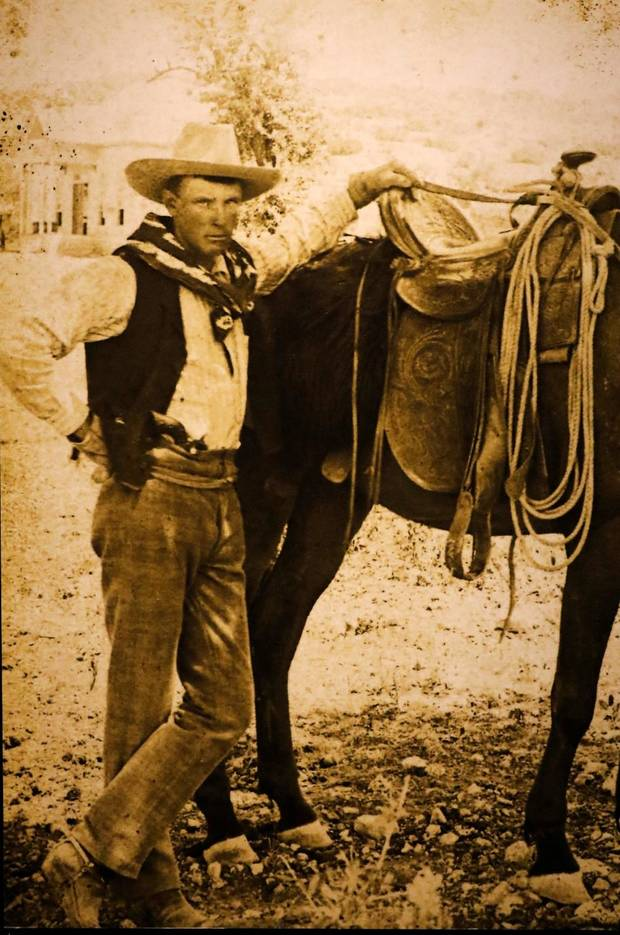
3.1 Practical Beginnings: Workers and Cowboys
In the 19th and early 20th centuries, the bandana was a purely practical item:
Farmers, miners, railroad workers used it to wipe sweat, shield their faces from dust or sun. Bandits Bandanas
On the American frontier, cowboys used a red bandana to protect against dust, wind and cold. ThriftCon+1
3.2 Real-World History: From “Redneck” to “Rosie the Riveter”
The bandana also became a symbol of identity and solidarity:
In 1921 during the Battle of Blair Mountain in West Virginia, coal miners wore red bandanas to show union solidarity—some say this contributed to the term “redneck.” Bandits Bandanas+1
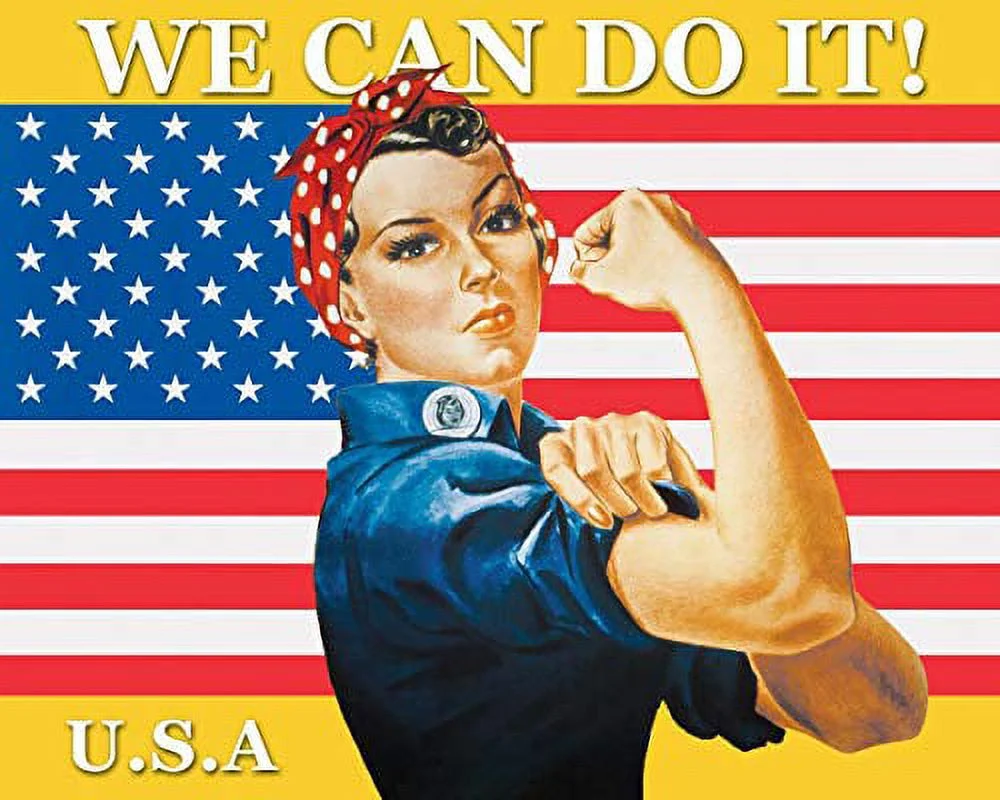
During World War II, the iconic image of Rosie the Riveter wearing a red polka-dot bandana became a symbol of female empowerment and industrial labour. Bandits Bandanas
3.3 Subculture and Identity
From the mid-20th century onward the bandana entered various subcultures:
Biker culture used it for practical face covering—wind, bug protection—and also as a symbol of freedom.
In the 1970s the LGBTQ+ community used the “hanky code” — bandana colours in specific pockets indicated identity or preference. sneum.com+1
In the 1980s and 1990s hip-hop and gang culture (e.g., Tupac Shakur) adopted coloured bandanas as a symbol of affiliation and street identity. ThriftCon

4. How to Wear a Bandana (The Practical Guide)
Ready to put one on? Here are seven classic ways to wear a bandana, with simple steps.
4.1 The Classic Headband
Lay the bandana flat and fold it diagonally into a large triangle.
From the base, fold the triangle repeatedly until it becomes a band about 2–3 inches wide.
Place the centre on your forehead at the hairline, wrap ends to the back and tie under the hair.
This is perfect for sports, casual wear or outdoor activities.

4.2 The Retro Tie (The “Rosie” Look)
Inspired by Rosie the Riveter.
Fold into a long band.
Place centre at the back of your head, under hair.
Wrap ends to the top of your head, tie slightly off-centre, tuck or bow the ends.
4.3 The 90s Headwrap (Tupac Style)
Fold into a large triangle.
Place the long edge across your forehead.
Wrap the side corners around back and tie a knot on the pointy tip.
Optionally tuck the tip into the knot for a cleaner finish.

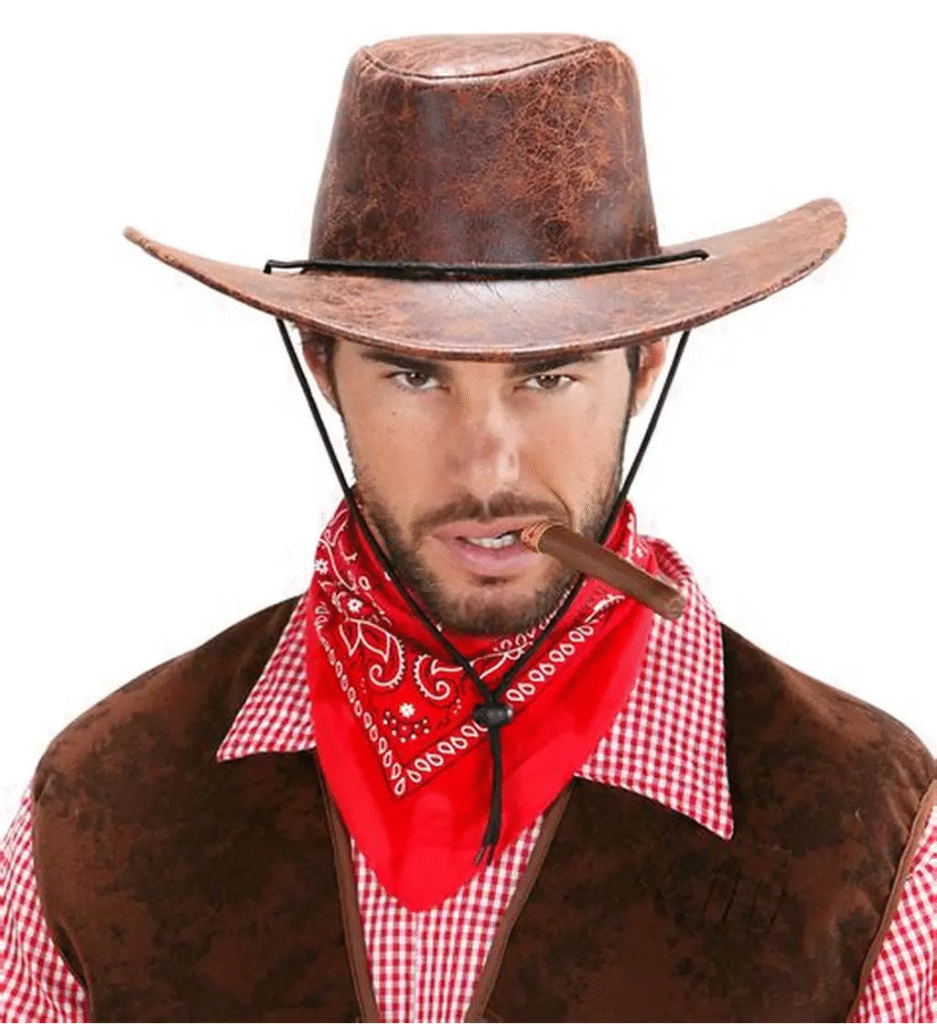
4.4 The Cowboy Neck Scarf
Fold into a large triangle.
Place the point down on your chest.
Wrap the two corners around your neck and tie at the back.
Adds rugged Western style.
4.5 The French Knot (Neckerchief)
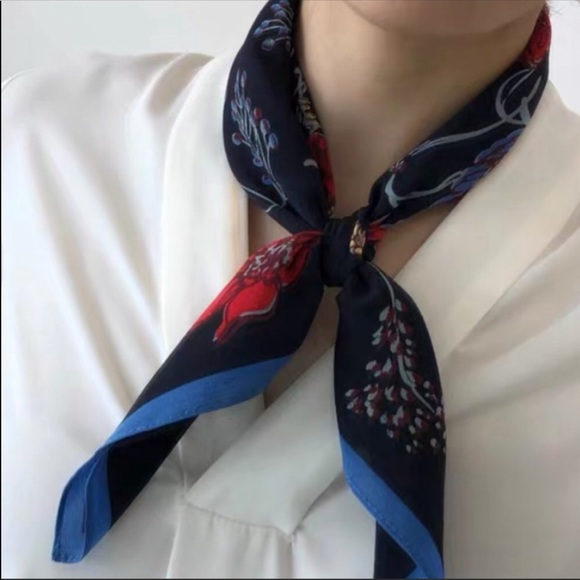
Fold into a long, thin band.
Wrap it around your neck.
Tie a small knot at the front or side, let ends hang free.
Stylish with smart-casual attire.
4.6 The Wrist Wrap
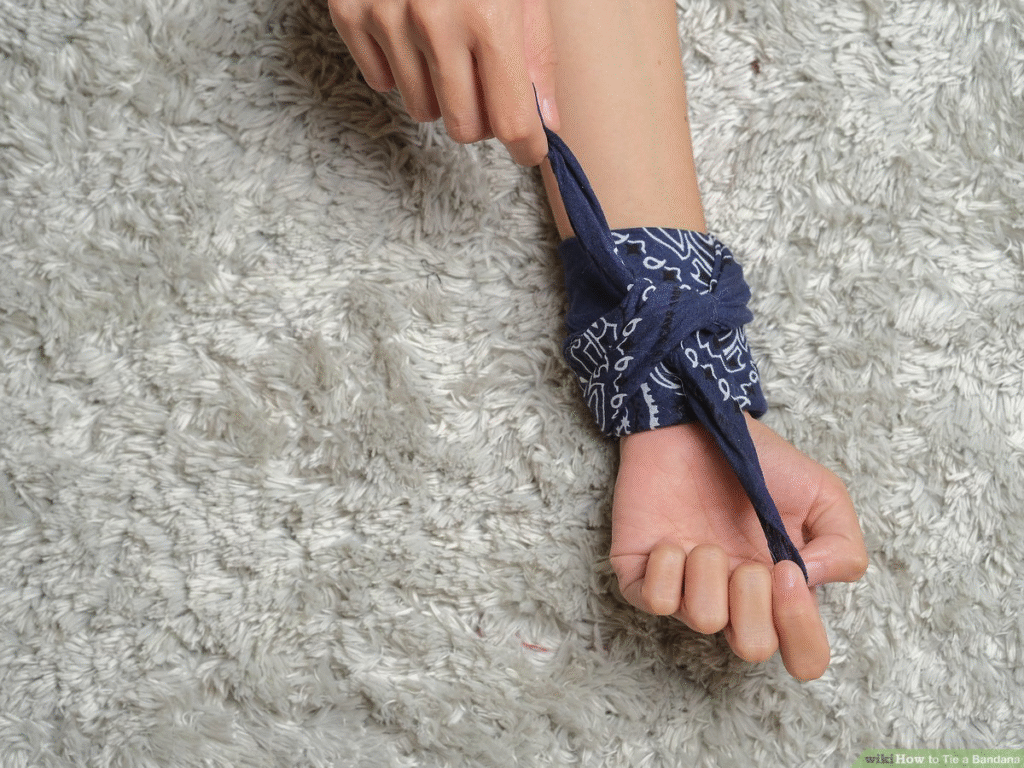
Fold into a long band.
Wrap around wrist and tie.
Great as a subtle accent of colour in your outfit.
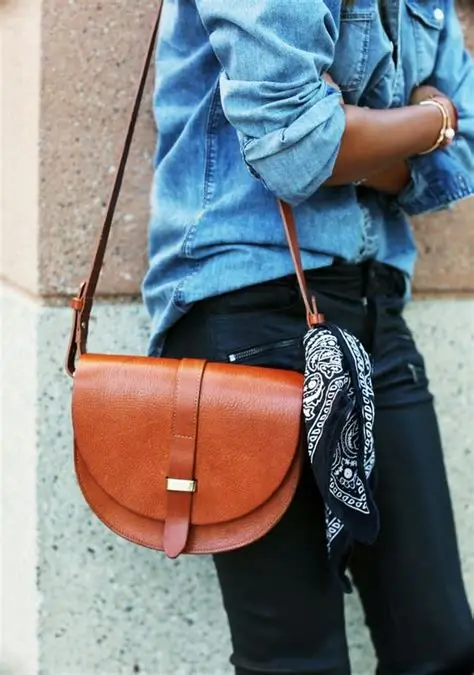
4.7 The Bag Accessory
No fold required.Just tie the bandana onto the strap or zipper of your bag to add character.
5. Conclusion: It’s More Than Cloth, It’s Your Statement
From a Sanskrit word for “to tie”, to a Persian symbol of life; from the miner’s red kerchief, to a hip-hop symbol of identity—the bandana’s history shows it is far beyond just fabric.
It’s a blank canvas waiting for you to give it meaning: function, style or identity. When you tie a bandana, you’re not just putting on cloth—you’re wearing a story.