
1.Introductin
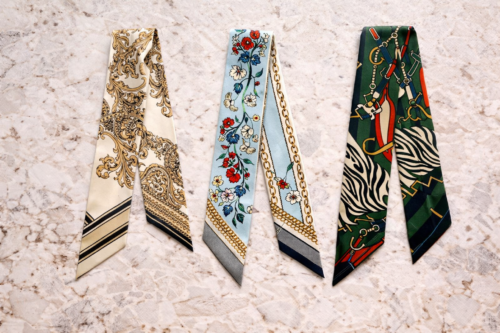
The bandana. It’s just a square piece of cloth, right? Wrong. This simple item carries a heavy history, crossing cultures and centuries. It’s not just a practical accessory; it’s a symbol of identity and attitude. From ancient textile traditions in South Asia to being a badge for American workers, bikers, and street culture, the story of the bandana is a wild ride.
Let’s dig into where the pañuelo came from, how it got its famous pattern, what its colors really mean, and how you can rock one today.
1. Where Did the Bandana Come From?
The word “bandana” itself comes from the Sanskrit word badhnāti, which literally means “to bind” or “to tie.” [1] That right there tells you what it was for from day one.
Back in the 1600s, these colorful printed cotton cloths started showing up in Europe from India and the Middle East. They were a huge hit, way more exciting than the plain linen kerchiefs people were used to. [2]
But it wasn’t just about looks. Farmers, sailors, and workers used them to block dust, sun, and sweat. In the American West, the pañuelo became a crucial piece of gear for cowboys and ranchers—a true tool for surviving the elements. [3]
2. The Story Behind the Paisley Pattern
You know that classic teardrop pattern you see on almost every pañuelo? That’s Paisley. Except, it’s not really from Paisley, Scotland.
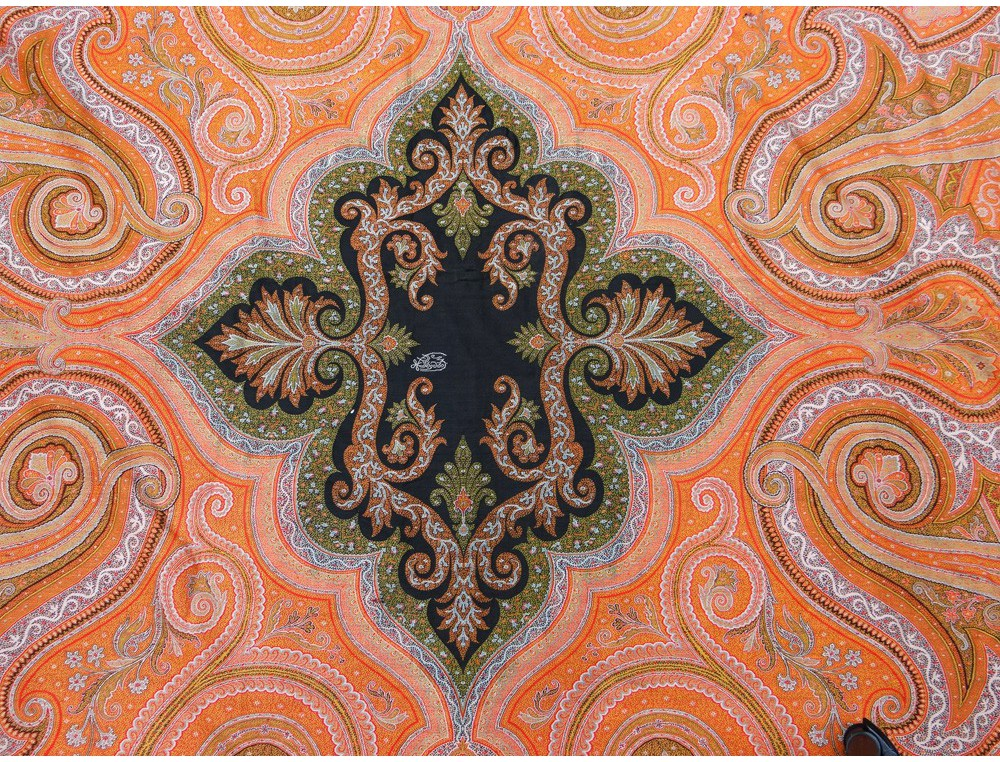
Its true home is the Kashmir region of the ancient Persian Empire. There, it’s called Boteh, and it’s a symbol for life, fertility, and eternity. [4]
In the 18th century, super-expensive Kashmir shawls with this pattern became the “it” item for rich Europeans. The demand was so high that mills in Paisley, Scotland, started making their own cheaper versions. Their knock-offs got so famous that the pattern itself just became known as “Paisley.” [5]
That’s how a high-class design ended up on the humble pañuelo, and it’s been the standard look ever since.
3. The Bandana as a Symbol: Workers, Protest, and Identity
A pañuelo is more than just cloth; it’s often a statement.
- Political Swag: Way back during the Revolutionary War, Martha Washington actually had pañuelos printed with George Washington on them as a form of political merch. [6]
- Worker’s Rights: This is the big one. In the 1920s, coal miners in Appalachia wore pañuelos rojos during strikes to show they were united. This is where the term “Redneck” originally came from—it referred to these miners fighting for their rights at the Battle of Blair Mountain. [7]
- Identity & Code: Later in the 20th century, the pañuelo was adopted by civil rights activists, feminists, and the LGBTQ+ community. The “Hanky Code” was a system where the color and placement of a pañuelo (usually in a back pocket) signaled identity and preferences. [8]
4. The Bandana in Pop Culture: A Symbol of Cool
El pañuelo never stopped being relevant.
In the rock world, Bruce Springsteen made the pañuelo rojo a symbol of the tough, proud, blue-collar American on his Born in the U.S.A. album cover.
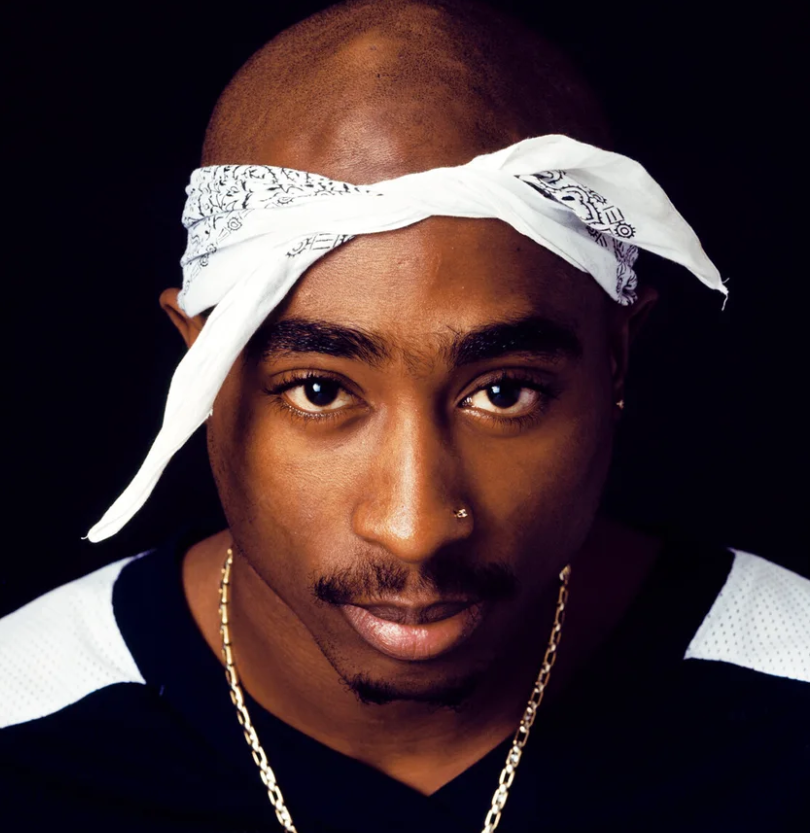
In hip-hop, Tupac Shakur’s signature way of tying his pañuelo became one of the most iconic looks in music history, symbolizing power, resistance, and street identity. [9]
Today, you’ll see pañuelos on bikers, skaters, musicians, and fashion models. It’s crossed all cultural lines and is just a timeless piece of style.
5. The Modern Bandana: Materials, Types, and Uses
1. What’s it Made Of?
| Material | The Vibe | Best For… |
| Algodón | The classic. Absorbent, durable, soft. | Daily wear, outdoor work, classic looks. |
| Poliéster | Sporty. Lightweight, sweat-wicking, stretchy. | Sports, running, biking, working out. |
| Seda | Fancy. Smooth, shiny, soft. | Fashion, hair accessory, neck scarf. |
| Lino | Breezy. Natural texture, super breathable. | Summer, casual, beachy style. |
2. Types of Patterns
- Paisley: The all-time classic.
- Solid Color: Simple, versatile, easy to match.
- Skull / Camo: A staple for biker and military/street style.
- Tie-Dye: Free-spirited, bohemian, and bold.
3. How to Wear a Bandana
- Headband: Fold it into a strip and tie it around your forehead.
- Neckerchief: Fold it into a triangle and tie it loosely around your neck.
- Wrist / Bag Accessory: Wrap it around your wrist or tie it onto a bag handle for a pop of color.
- Utility: Use it as a sweatband, dust mask, or even an emergency bandage when outdoors.
6. How to Buy and Customize a Good Bandana
What to Look For When Buying
- Print Quality: Colors should be sharp, not blurry or faded.
- Stitching: Check the edges. Good stitching means it won’t unravel after one wash.
- Tamaño: The standard pañuelo size is about 22×22 inches.
- Fabric: Get cotton for everyday use, poly for sports.
Want to Make Your Own?
- Screen Printing: Best for simple logos or designs with just a few colors.
- Impresión digital: Good for complex, colorful photos or art (best on cotton).
- Sublimation (Dye-Sub): The best choice for pañuelos de poliéster. The ink becomes part of the fabric, so it’s super bright and will never fade or crack.
- Find a Supplier: Look for a manufacturer that can send you a sample first.
7. FAQ (Frequently Asked Questions)
Q1: Will my bandana fade?
A good cotton bandana or a polyester one with sublimation print shouldn’t fade much. Just wash it in cold water and don’t scrub it too hard.
Q2: Why is the paisley pattern so classic?
Because it has a deep history (symbolizing life in Persia) but was adopted by new cultures to mean rebellion, freedom, and cool. [10]
Q3: How do I keep my bandana from slipping off my head?
If you’re wearing it as a headband, a couple of bobby pins hidden underneath will lock it in place.
Conclusión
The history of the bandana is all about how a simple tool became a complex symbol. It’s a story of workers’ rights, cultural identity, and timeless style. Whether you tie it on your head, your neck, or your bag, you’re carrying a piece of history.
8. References
- Heddels. (2017). The History of the Bandana.
- Wikipedia. (n.d.). Kerchief.
- The Rite Stuff. (2018). On Bandanas.
- Cooper Hewitt, Smithsonian Design Museum. (2016). Kashmir to Paisley.
- Ibid.
- Smithsonian Magazine. (2020). The Global History of the Bandana.
- The Guardian. (2018). We are proud to be ‘rednecks’. It’s time to reclaim that term.
- The History Project. (2019). Hanky Panky: An Abridged History of the Hanky Code.
- RoyalBandana. (2021). How to tie a bandana like Tupac.
- Cooper Hewitt, Smithsonian Design Museum. (2016). Kashmir to Paisley; and The Guardian. (2018). We are proud to be ‘rednecks’.