
Introducción If you think a polaina de cuello is just a scarf, you are missing out on one of the most versatile pieces of outdoor gear ever invented. It is the “Swiss Army Knife” of fabric.
At Bysporting, we don’t just sell them; we manufacture them. After producing millions of seamless tubes for global clients, we know exactly how the fabric stretches, breathes, and protects. Whether you are battling the desert sun or a freezing ski slope, the way you wear your gaiter changes its function entirely.
Here are the 12 essential ways to wear a neck gaiter, explained by the experts who make them.

Part 1: The Protectors (For Weather & Safety)
Best for: Hiking, Skiing, Construction, Fishing
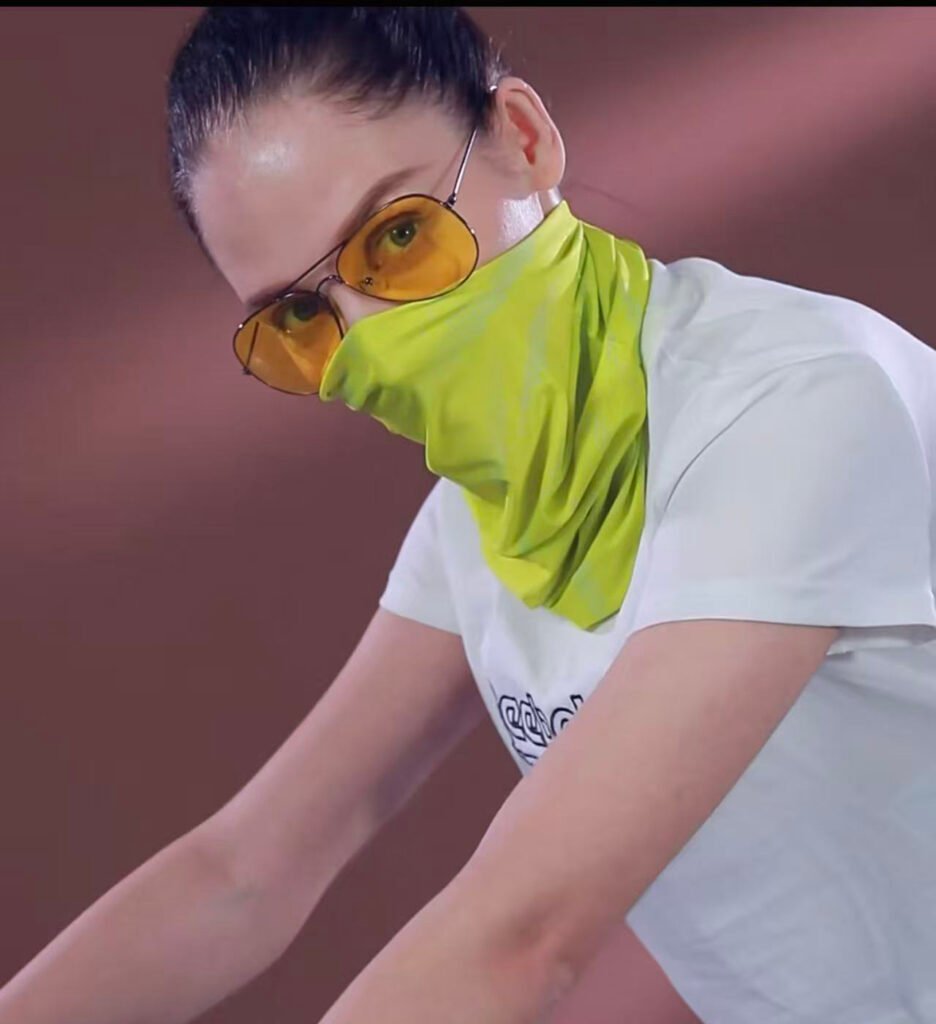
1. The Face Mask
This has become the most essential style in recent years. It provides immediate protection against dust, wind, and insects.
- How to wear it: Start with the gaiter on your neck and simply pull the top edge up to cover your nose and mouth.
- Factory Tip: Our seamless neck gaiters rely on “mechanical stretch.” We knit them to be tight enough to stay up without ear loops, but loose enough to prevent pressure marks. Perfect for dust protection on a motorcycle or public transport.
2. The Balaclava
Convert your simple tube into a full-coverage hood. This is a favorite among our ski resort clients.
- How to wear it: Pull the entire gaiter up to cover your head. Then, take the bottom layer sitting under your chin and pull it up to cover your nose.
- Why it works: It eliminates the “cold gap” between your jacket collar and your helmet. It offers thermal insulation for your ears, neck, and head simultaneously.
3. The Sun Guard (The Legionnaire)
Fishermen and construction workers swear by this style. It focuses on protecting the most vulnerable part of your body: the back of the neck.
- How to wear it: Pull the gaiter up over your head like a hood, but let the front drape loosely under your chin. Then, wear your baseball cap or hard hat over it.
- Expert Insight: This maximizes UPF 50+ protection. By covering the neck and ears, it blocks 98% of harmful UV rays during long hours under the sun.
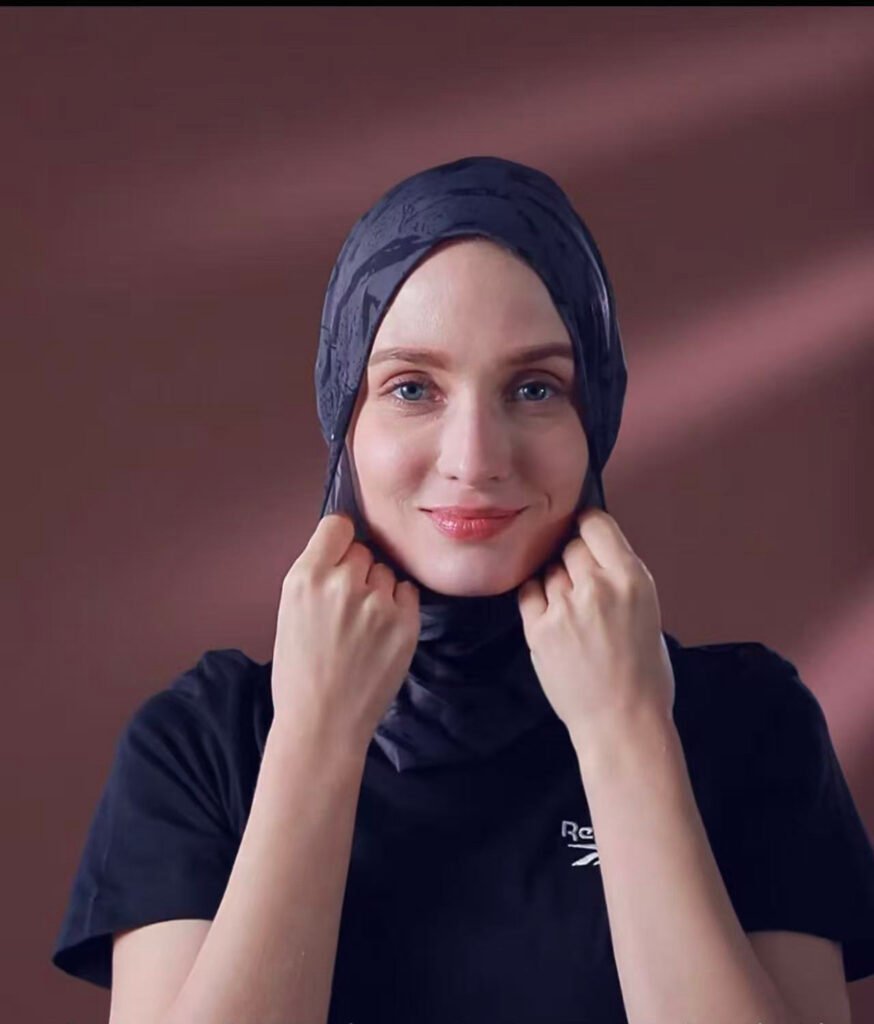
4. The Hood (The Eskimo)
A simplified version of the Balaclava, focusing on keeping the head warm while keeping the face open.
- How to wear it: Pull the front of the gaiter under your chin and pull the back up over your head.
- Best For: Cold morning jogs where you need to keep your ears warm but want to breathe freely without fabric over your mouth.
Part 2: The Athletes (For Sweat & Action)
Best for: Running, Gym, Tennis, Cycling
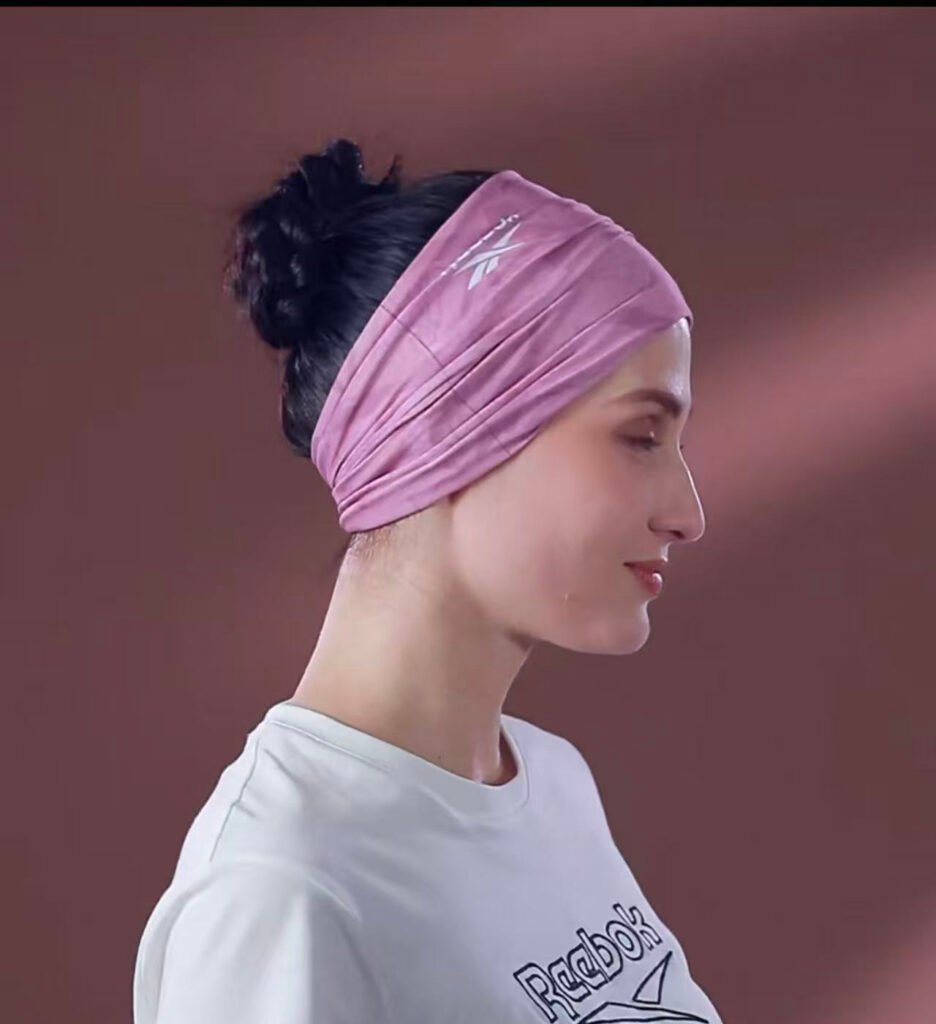
5. The Headband
Keep sweat out of your eyes and hair off your face.
- How to wear it: Scrunch the gaiter into a narrow band and pull it up onto your forehead.
- Fabric Science: Unlike cotton, which gets heavy when wet, our polyester microfiber is hydrophobic. It wicks sweat away from your skin to the outer layer for rapid evaporation.
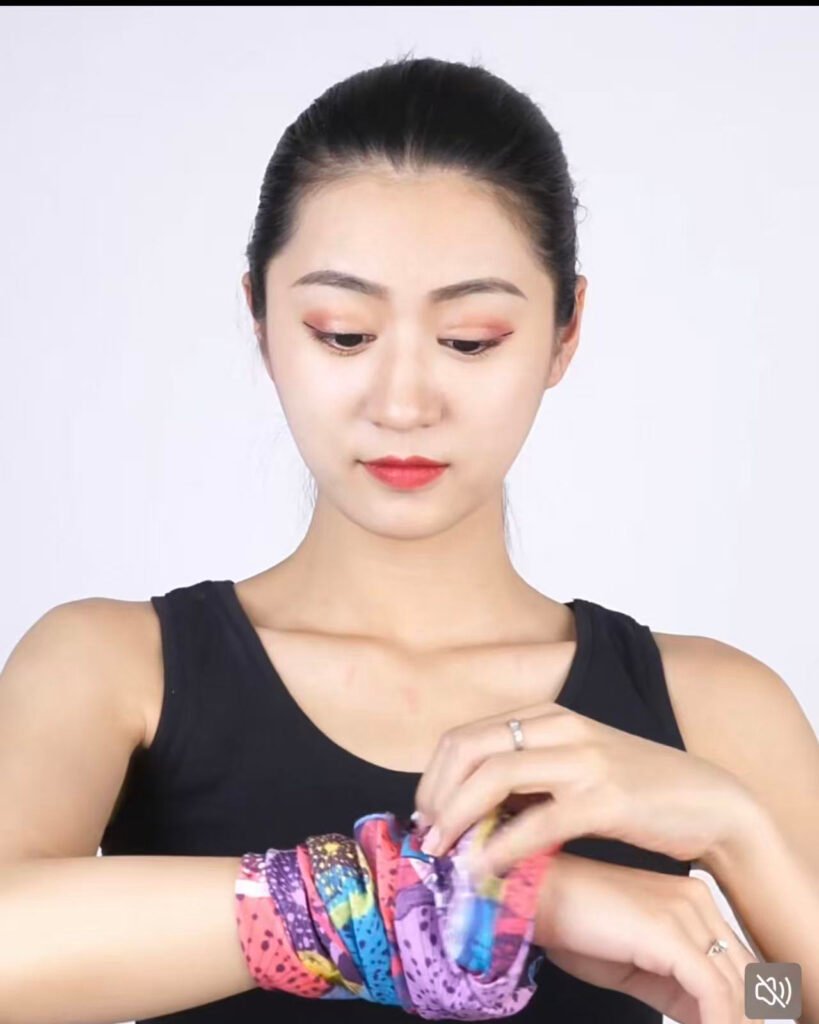
6. The Wristband
The most underrated style. It turns your gaiter into a functional tool.
- How to wear it: Twist the gaiter securely around your wrist two or three times.
- Best For: Cyclists and hikers who need a quick, accessible way to wipe their brow without stopping to dig for a towel.
7. The Hair Tie (Scrunchie)
For anyone with long hair, this is a lifesaver when you forget your elastic band.
- How to wear it: Use the gaiter to tie your hair back into a ponytail.
- Benefit: Because Bysporting gaiters are sin costura, they won’t snag, pull, or break your hair like traditional rubber bands can.
8. The Helmet Liner
A critical layer for safety and hygiene.
- How to wear it: Wear it as a thin skull cap (see “The Beanie” below) underneath a bike or construction helmet.
- Why do it? It absorbs sweat, preventing it from dripping into your eyes, and keeps the inside of your expensive helmet clean and odor-free.
Part 3: The Stylists (For Comfort & Fashion)
Best for: Casual wear, Travel, Festivals
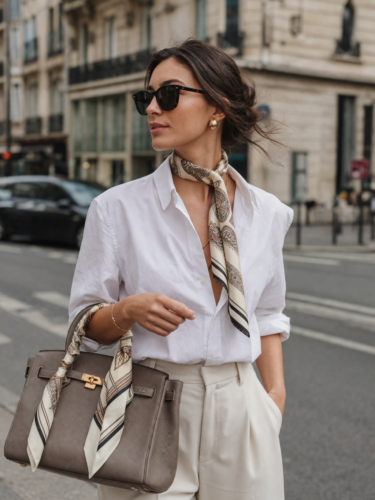
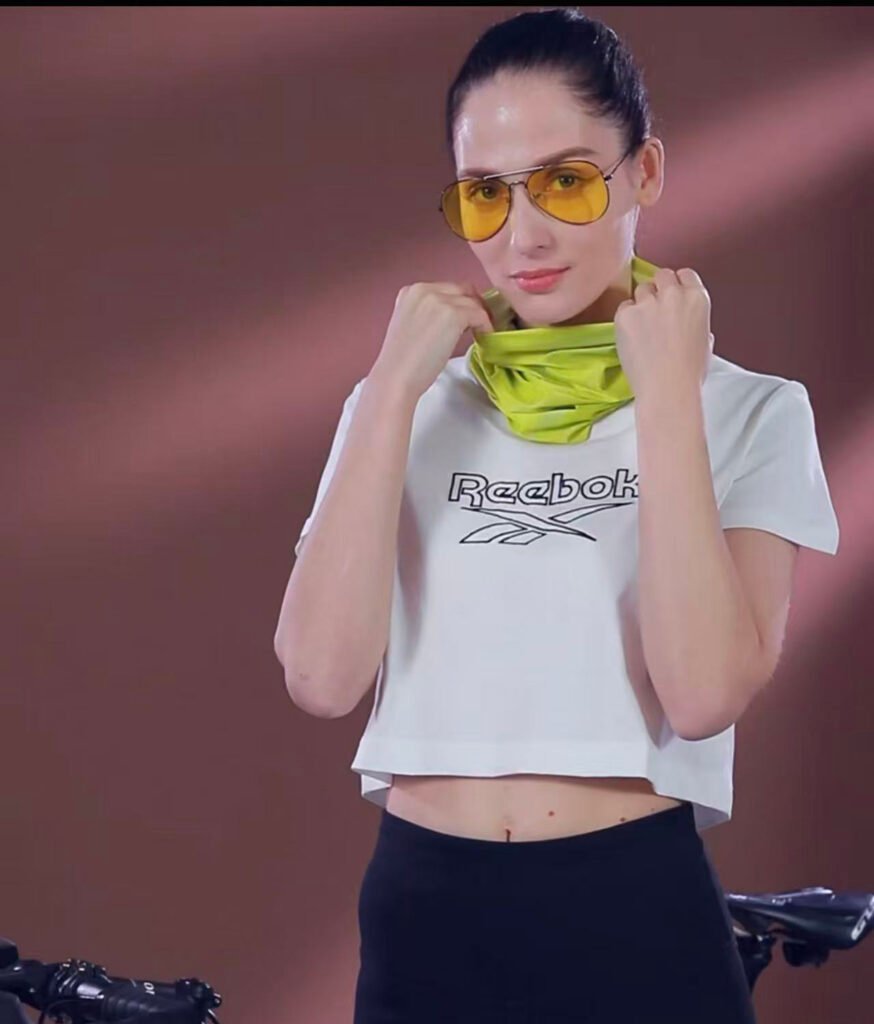
9. The Neckerchief
The classic look. Simple, effective, and stylish.
- How to wear it: Let the gaiter gather naturally around your neck.
- Comfort Note: This keeps drafts out of your jacket. Since our fabric is soft and breathable, it provides warmth without the bulk or itchiness of a wool scarf.
10. The Pirate (Do-Rag)
A classic style for bikers and beachgoers that protects the head while letting the neck breathe.
- How to wear it: Turn the gaiter inside out. Put both arms through the tube. Grab opposite edges and pull them through to create a knot. Place it on your head like a bandana.
- Best For: Keeping the sun off your scalp while allowing airflow to the back of your neck.
11. The Beanie (The Cap)
Turn a tube into a closed hat in seconds.
- How to wear it: Turn the gaiter inside out. Place it on your head. Twist the excess fabric in the middle, then fold the top layer back down over your head.
- Factory Secret: This creates a double-layer structure. It effectively doubles the GSM (fabric weight), making a lightweight summer gaiter warm enough for chilly evenings.
12. The Blindfold (Eye Mask)
The traveler’s best friend.
Best For: Sleeping on planes or trains. The fabric is soft enough to not irritate your eyelids but thick enough to block out cabin lights.
How to wear it: Simply pull the gaiter up over your eyes.
Conclusion: Quality Matters
Knowing how to wear a neck gaiter is only half the battle. The other half is the quality of the product. You can’t make a good Balaclava with a stiff, cheap bandana. You need 4-way mechanical stretch and premium microfiber that holds its shape.
Looking for Custom Neck Gaiters? Are you an event organizer, a sports team, or a brand owner? Don’t settle for generic gear. At Bysporting, we specialize in custom manufacturing.
- Free Design Service
- Precios directos de fábrica
- Low MOQ (Minimum Order Quantity)
[Contact Us Today to Start Your Custom Order]
Instrucciones de video directas, fáciles de usar, domine todos los métodos para atar polainas de cuello en un minuto
Preguntas frecuentes
1. ¿Cómo elegir la longitud adecuada para tu bufanda de cuello?
El tamaño general de una bufanda para el cuello es de 50 cm x 25 cm, adecuado para la mayoría de las personas y muy popular en el mercado. Si tiene requisitos especiales, puede contactarnos para personalizarla.
2. Cómo elegir una polaina para el cuello que no sea propensa a decolorarse o deformarse
Elija una marca reconocida. Las marcas reconocidas cuentan con procesos de producción y control de calidad más estrictos. Utilizan materias primas de mejor calidad y procesos de teñido y producción más avanzados, lo que hace que las polainas sin costuras sean menos propensas a la decoloración o la deformación. Las instrucciones de lavado en la etiqueta del producto también pueden indicar si es propenso a la decoloración o la deformación. Si está marcado como lavable a máquina y no propenso a la decoloración o la deformación, significa que el producto ha sido diseñado y fabricado para el lavado diario y ha sido sometido a las pruebas pertinentes, por lo que la calidad está relativamente más garantizada.
3. ¿Cuáles son los materiales de la polaina para el cuello?
Hay muchos materiales para polainas de cuello sin costuras, pero los más populares son el poliéster, la seda de hielo, la seda de leche, el material buff, el material APET, el algodón puro, la seda, la lana, el polar, el upf50+ y el material antibacteriano.
Puedes aprender más sobre polainas para el cuello
Todo lo que debes saber sobre las polainas para el cuello-Fuente por Sporting
Pasamontañas o braga de cuello: ¿cuál es la adecuada para ti?-Fuente por Sporting
Cómo usar una polaina para el cuello en verano-Fuente por Sporting
¿Qué es una polaina para el cuello?-Fuente por Sporting