
Whether you want to whip up a cozy flannel neck warmer for the crisp winter months or use a gorgeous cut of silk for a chic spring accessory, making your own scarf is arguably the most rewarding and beginner-friendly sewing project out there.
If you’ve ever typed how to make a scarf with fabric into a search engine, you were probably overwhelmed by complicated sewing patterns and technical jargon. But as textile and crafting experts, we are here to tell you a secret: making a scarf is much easier than you think. As long as you can cut a straight line and sew a basic seam, you can absolutely do this.
In this ultimate guide, we are walking you through everything from choosing the right fabric and dimensions to three foolproof tutorials—including a 10-minute method for how to make a scarf out of fabric without sewing!
⏳ TL;DR: Quick Sizing & Fabric Guide
- Best Beginner Fabrics: Flannel, cotton, and fleece (fleece doesn’t fray, making it perfect for no-sew projects).
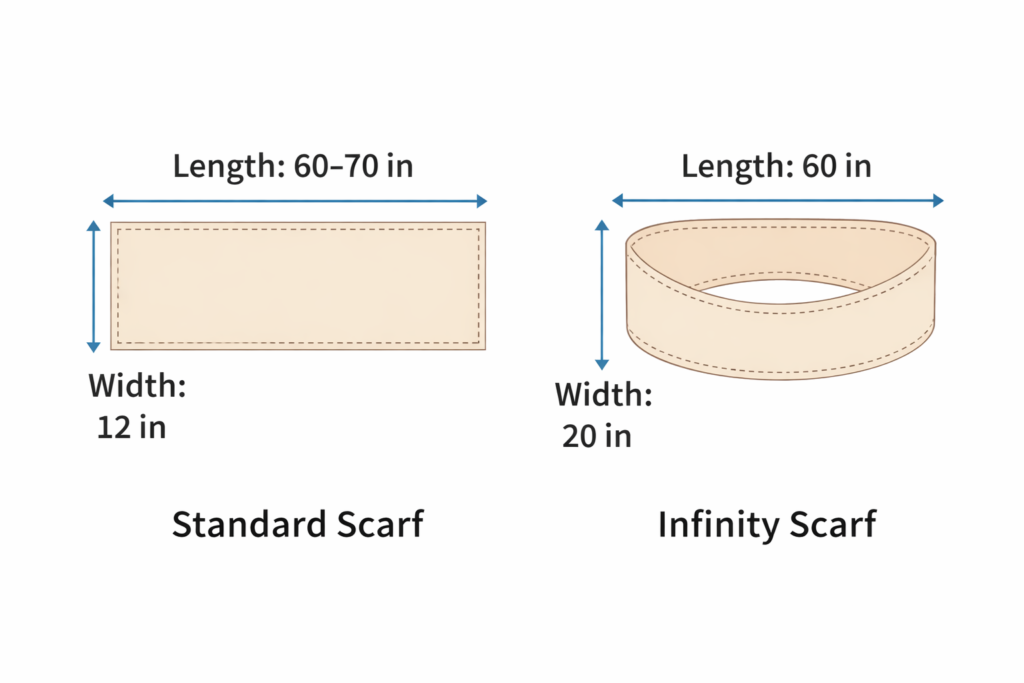
- Standard Scarf Size: 10–15 inches wide by 60–70 inches long.
- Infinity Scarf Size: 20 inches wide by 60 inches long (sewn into a tube and looped).
- The Golden Rule: Always wash your fabric before cutting, and always press your seams with an iron for a store-bought look!
Step 1: The “Golden Rules” of Fabric, Sizing, and Tools
Before we dive into how to sew a scarf, picking the right material and getting your dimensions correct will make or break your project.
✂️ The Basic Tools You’ll Need
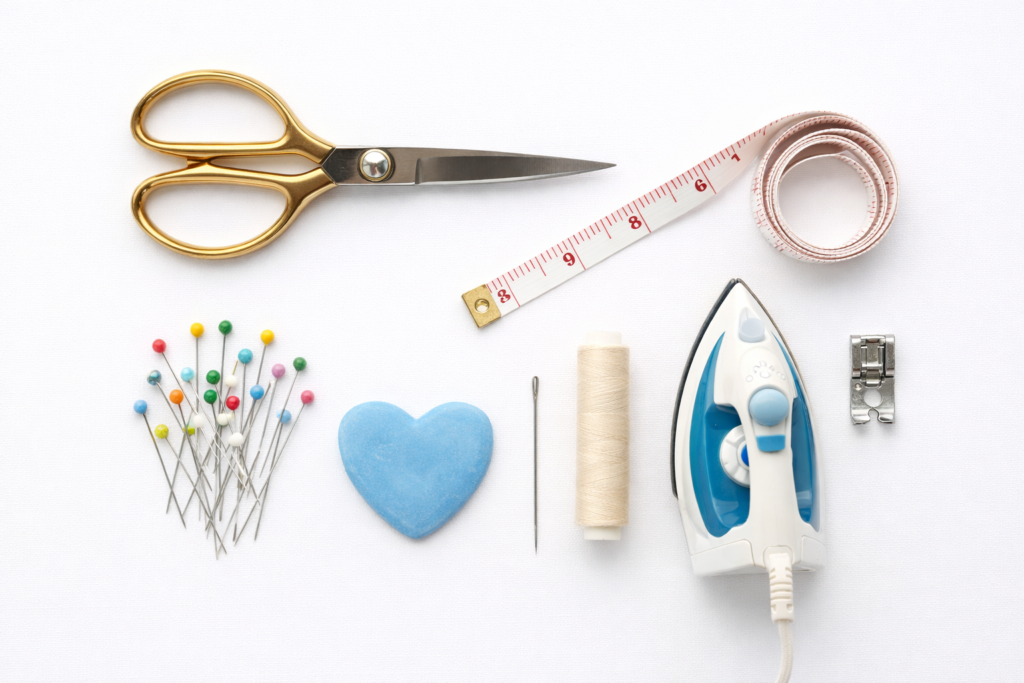
You don’t need a professional studio for this. Grab fabric scissors, a measuring tape (or clear acrylic ruler), sewing pins or clips, tailor’s chalk, an iron, and a sewing machine (or simply a needle and thread if you prefer hand-sewing).
🧵 Choosing the Right Fabric
- Cotton & Flannel (Best for Beginners): If you are searching for how to sew a scarf for beginners, start here. Flannel is incredibly cozy, doesn’t slip while you sew, and is easy to cut. (Pro Tip: Always pre-wash flannel, as it tends to shrink!)
- Fleece (The No-Sew Hero): Fleece does not fray when you cut it. If you want a quick, warm, foolproof project that requires zero hemming, fleece is your best friend.
- Silk & Chiffon (For Advanced Crafters): If you want to challenge yourself with how to sew a scarf by hand for a luxurious, high-end look, silk twill is stunning. However, it is slippery and requires patience when rolling and hemming the edges. Save this for your second or third project!
📏 Standard Scarf Dimensions
Not sure how much fabric to cut? Use this cheat sheet:
- The Standard Scarf: Cut your fabric to 60–70 inches long (150–180 cm) and 10–15 inches wide (25–38 cm). A 12-inch width is a great everyday sweet spot.
- The Infinity Scarf: You need at least 60 inches in length so it can comfortably loop around your neck twice. Cut the width to 20 inches (50 cm), which will be folded in half. (Note: For kids’ scarves, simply scale these dimensions down by 15–25%.)
Step 2: How to Sew a Scarf (3 Popular Tutorials)
Whether you are a total novice or looking to use up some fabric scraps, there is a method here for you.
(Pre-requisite: For the sewing tutorials, use a standard straight stitch and leave a 3/8-inch (1 cm) seam allowance).
Tutorial 1: The Classic Straight Scarf (Best for Beginners)
This is the absolute best starting point for sewing newbies.
- Cut: Cut your cotton or flannel fabric to 12 x 60 inches. (Use chalk and a ruler for perfectly straight lines).
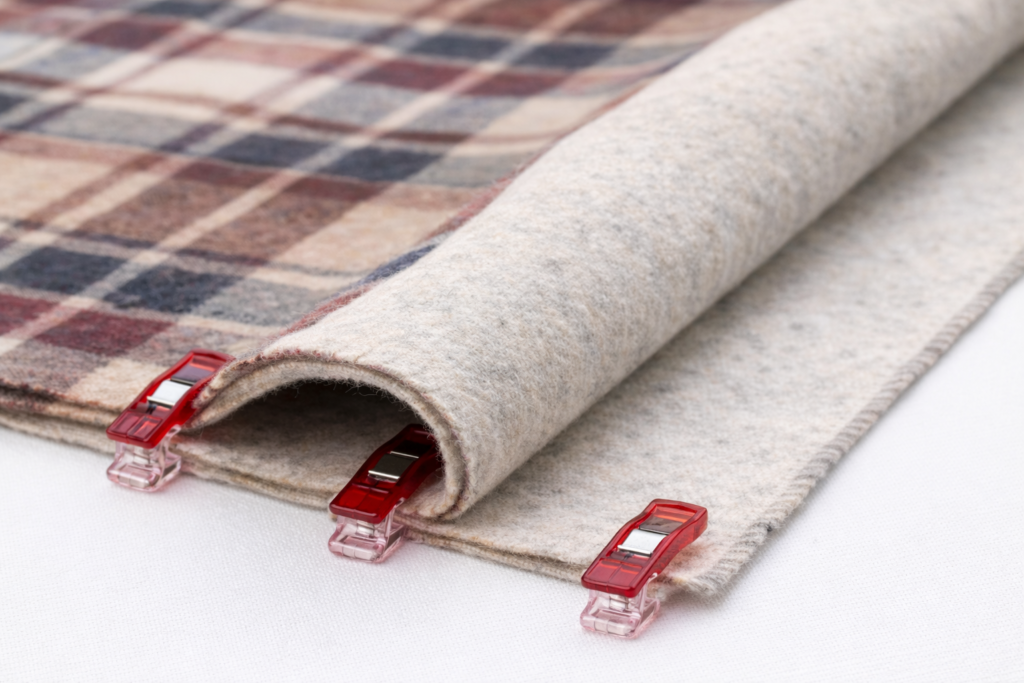
- Fold & Sew: Fold the fabric in half lengthwise with the right sides together (the printed sides facing each other). Pin the long open edge. Sew a straight line down this long edge, leaving the two short ends completely open.
- Turn & Topstitch: Turn the fabric tube right-side out (like turning a sock). Use an iron to press the seam flat. Finally, fold the raw edges of the short ends inward by about half an inch, press them with your iron, and topstitch (or hand-stitch) them closed.
Tutorial 2: The Cozy Infinity Scarf
Searching for how to sew an infinity scarf? This loop design is amazing because it never falls off your neck.
- Prepare: Cut a soft, drapey fabric (like cotton knit or rayon) to 20 x 60 inches.
- Make a Tube: Fold it in half lengthwise, right sides together. Sew down the long edge. Turn the tube right-side out and press it gently.
- Create the Loop: (The magic step!) Bring the two short ends of the tube together, right sides facing each other. Pin them in a circle and sew around the edge, but leave a 3-inch gap. Pull the scarf through that gap, and hand-stitch the opening closed using an invisible slip stitch. (Style Tip: If you want it to drape beautifully, give the fabric tube one half-twist before sewing the ends together!)
Tutorial 3: The 10-Minute No-Sew Fleece Scarf
If you don’t own a sewing machine and are wondering how to make a scarf out of fabric without sewing, all you need is fleece and sharp scissors!
- Cut the Body: Cut your fleece to 10 x 60 inches. Use a ruler and rotary cutter if you have one for the cleanest edges.
- Make the Fringe: This is how to make a fabric scarf with fringe the easy way! Use chalk to draw a “stop line” about 4 inches up from both short ends. Use your scissors to cut thin strips (about 0.5 inches wide) from the bottom edge up to your stop line. Because fleece doesn’t fray, you are completely done!
Step 3: Upcycling (How to Make a Scarf from Fabric Scraps)
If you are an eco-conscious crafter with a bin full of leftover cotton, you might be wondering how to make a scarf from fabric scraps.
A Patchwork Scarf is the perfect creative outlet. Cut your fabric scraps into uniform squares or rectangles. Lay them out on a table to design your pattern (sticking to 3–5 core colors looks best). Sew the squares together into one long strip. Finally, cut a solid piece of cozy flannel to match the size of your patchwork strip, place them right sides together, and sew around the perimeter (leaving a gap to turn it right-side out). You now have a 100% unique, bohemian accessory!
4. Five Common Beginner Mistakes to Avoid
Most first-time scarf fails happen because of these easily avoidable missteps:
- Skipping the Pre-Wash: Flannel and cotton shrink. If you don’t wash them before you cut, your scarf will warp after its first trip through the laundry.
- Skipping the Iron: Pressing your seams is the secret that separates “messy homemade” from “boutique quality.”
- Forgetting Seam Allowances: If you cut exactly 10 inches wide, your finished scarf will be narrower after sewing. Always factor in an extra inch!
- Starting with Slippery Fabrics: Silk is gorgeous, but it slides around under the presser foot. Stick to cotton or flannel for your very first project.
- Rushing: Take your time pinning and cutting. A straight cut is the foundation of a great scarf.
Ready to start your sewing journey? Making a scarf is not just a great way to spend a Sunday afternoon; it makes for a brilliant, personalized, handmade gift for friends and family. Pick your favorite fabric, grab your scissors, and start creating!